
No products in the cart.
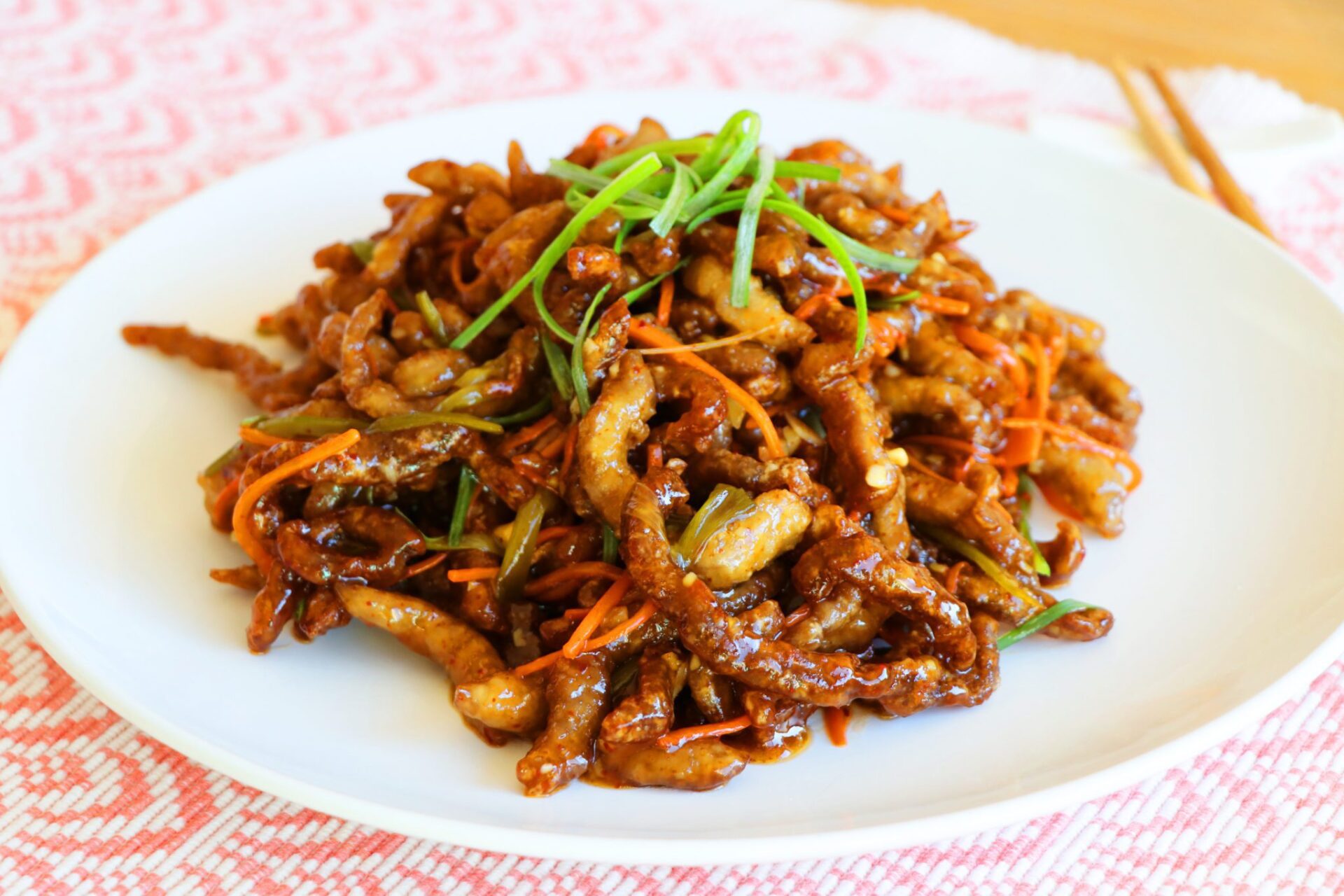
Crispy Ginger Beef Recipe
Crispy Ginger Beef is sweet, a little spicy, and full of that bold ginger aroma that hits you the moment it comes out of the pan. The beef is fried until golden and crunchy, then quickly tossed in a glossy sauce that coats every piece.
This Chinese-Canadian classic was created in Calgary in the 1970s, and it quickly became a favorite across Canada. You’ll find it on almost every Chinese restaurant menu.
If you’ve ever ordered it and wondered why it’s so crispy at the restaurant but not quite the same at home, it usually comes down to one thing—the technique.
In this recipe, I’ll show you exactly how to get that light, crispy texture and balance the sauce so it coats the beef without making it heavy. Once you understand the steps, it comes together quickly—and it’s actually a lot of fun to cook.
What Is Ginger Beef?
Ginger Beef is a Chinese-Canadian dish made with thin strips of beef that are coated, deep-fried, and then tossed in a savory, tangy sauce with ginger, garlic, and scallions.
It was first created in Calgary and has since become a staple in Chinese restaurants across Canada.
What sets it apart is how the beef is prepared—fried first for texture, then quickly combined with the sauce just before serving.
Why Your Ginger Beef Isn’t Crispy
If your Ginger Beef turns out soft or soggy, it’s usually one of these small things.
Sometimes the oil isn’t hot enough, so the beef absorbs oil instead of crisping. Sometimes the pan is overcrowded, which drops the temperature. And sometimes the coating sits too long before frying, which makes it a little gummy.
Another big one is adding the sauce too early.
For this dish, you want the beef to be fully crispy first, then toss it in the sauce right at the end. Once the sauce goes in, serve it right away while everything is still crisp.
Best Cut of Beef for Ginger Beef
For this recipe, flank steak works really well.
It’s lean, easy to slice thin, and stays tender when you cut it against the grain.
You can also use skirt steak or sirloin—just make sure to slice the beef thinly. That’s what gives you the right texture once it’s fried.
How to Get Crispy Beef
The crispiness comes from a few simple steps.
Coat the beef evenly in cornstarch right before frying so it stays dry and light. Then fry at around 350°F so the beef cooks quickly and doesn’t absorb too much oil.
Try to fry in small batches so the oil stays hot. If the temperature drops, the beef won’t crisp properly.
When it’s done, the beef should be golden, crisp, and light—not heavy or greasy.
Why Ginger Matters in This Dish
Ginger is what gives this dish its signature flavor.
It cuts through the richness of the fried beef and balances the sweetness of the sauce.
When it hits the hot oil, you’ll smell it right away—that’s when everything starts to come together.
What to Serve with Ginger Beef
This dish pairs best with something simple.
Steamed rice is the classic choice—it soaks up all that sauce beautifully.
You can also serve it with fried rice or a simple stir-fried vegetable dish for balance.
FAQ
Why is my Ginger Beef soggy?
Usually, it’s because the oil wasn’t hot enough or the sauce sat too long on the beef.
Can I air-fry the beef?
You can, but it won’t be as crispy as deep-frying.
Can I make this ahead of time?
You can fry the beef ahead, but toss it in the sauce right before serving.
Is Ginger Beef very spicy?
It has a mild heat. You can adjust the red pepper flakes to your preference.
Let’s Talk Ingredients
This is one of those dishes where the ingredients are simple, but the way they come together makes all the difference.
The beef is really the star here. I like using flank steak because it’s easy to slice thin and stays tender when you cut it against the grain. Once it’s fried, it gets that light, crispy texture on the outside while still staying a little chewy inside.
Cornstarch is what gives you that crisp coating. It might look like a lot, but that’s what creates that light, crunchy shell once the beef hits the hot oil.
For the sauce, it’s all about balance.
Soy sauce brings the saltiness, while rice vinegar adds that tangy brightness that keeps the dish from feeling too heavy.
Rice wine adds a little depth, and sugar gives it that signature sweetness that makes the sauce so addictive.
Sesame oil comes in at the end—it adds a nice aroma and rounds everything out.
And of course, red pepper flakes give you that gentle heat. You can adjust it depending on how spicy you like it.
For the aromatics:
Ginger is what really defines this dish. As soon as it hits the hot oil, you’ll smell it right away—that’s when you know you’re on the right track.
Garlic adds depth, and scallions bring a fresh, slightly sharp finish that balances everything.
Carrots are simple, but they add a little color and a light crunch, so the dish doesn’t feel too heavy.
And finally, cooking oil—use a high-smoking-point oil here so the beef fries properly and gets that crisp texture without burning.
Step-by-Step: Let’s Cook
Step 1: Coat the beef
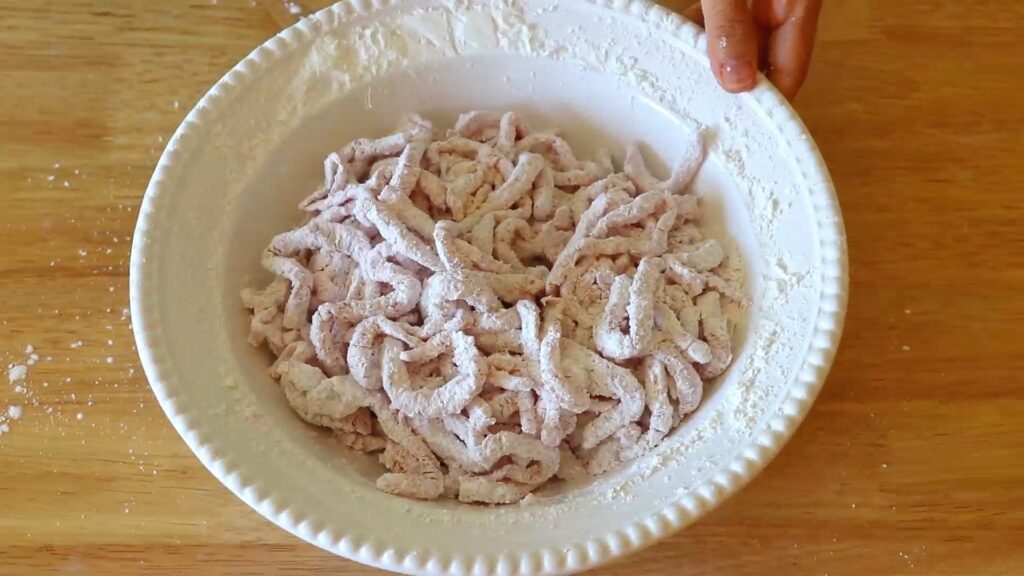
In a bowl, add the beef and toss it with the cornstarch until evenly coated.
Tip: Coat the beef right before frying so the coating stays light and crisp.
Step 2: Fry the beef
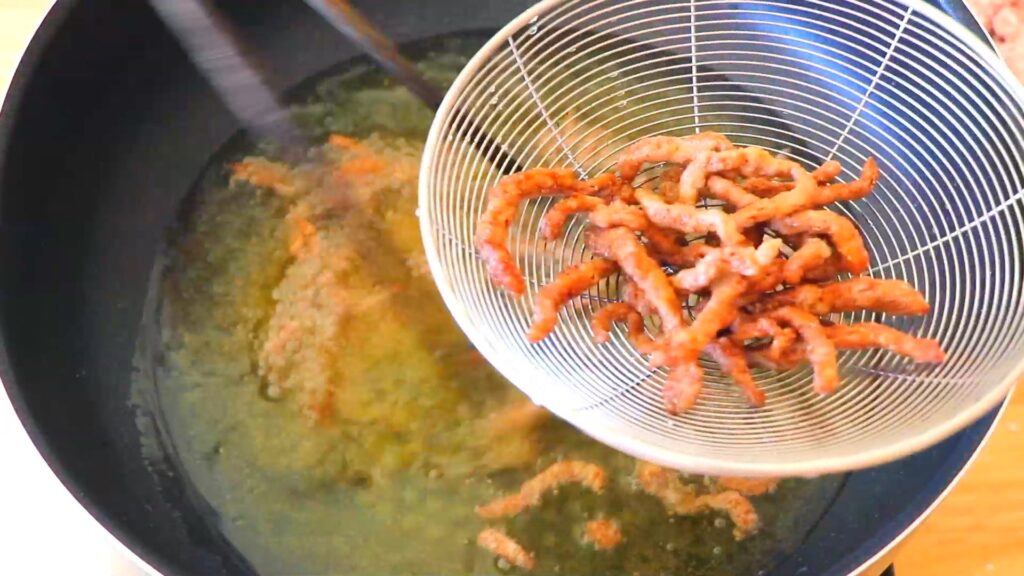
In a wok or deep pan over high heat, heat the cooking oil to about 350°F (177°C). To test, drop in one piece—if it bubbles right away, it’s ready.
Add the beef in batches, and use chopsticks or a fork to gently separate the pieces so they don’t stick together.
Fry for about 3 minutes, until golden and crispy, then remove and drain on a rack.
Tip: Don’t overcrowd the pan—this keeps the oil hot and helps the beef stay crispy.
Step 3: Make the sauce
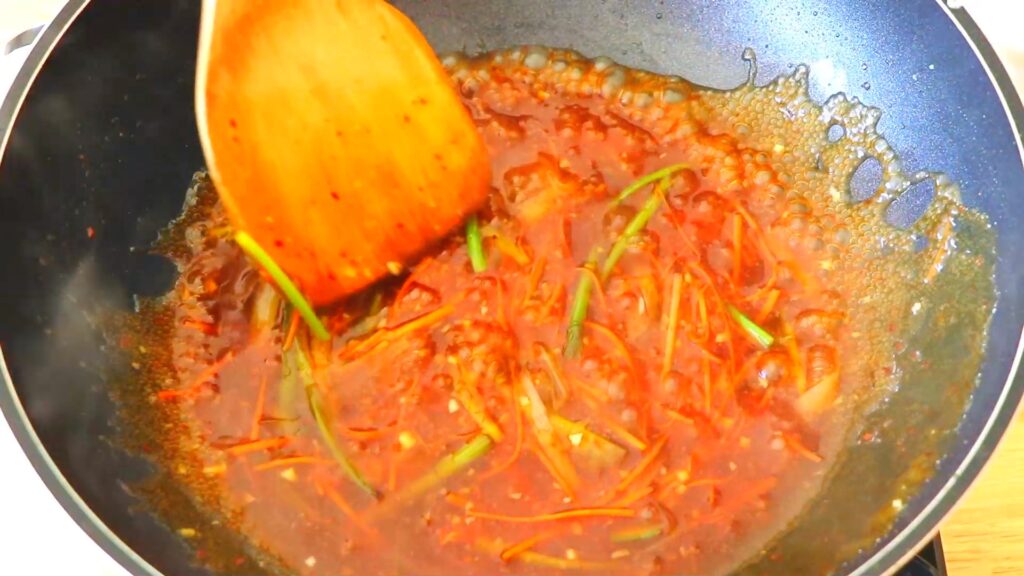
In a bowl, mix together the soy sauce, rice vinegar, rice wine, sugar, sesame oil, and red pepper flakes until combined.
Tip: Have the sauce ready before you start cooking—once you move to the wok, everything goes quickly.
Step 4: Stir-fry and bring everything together
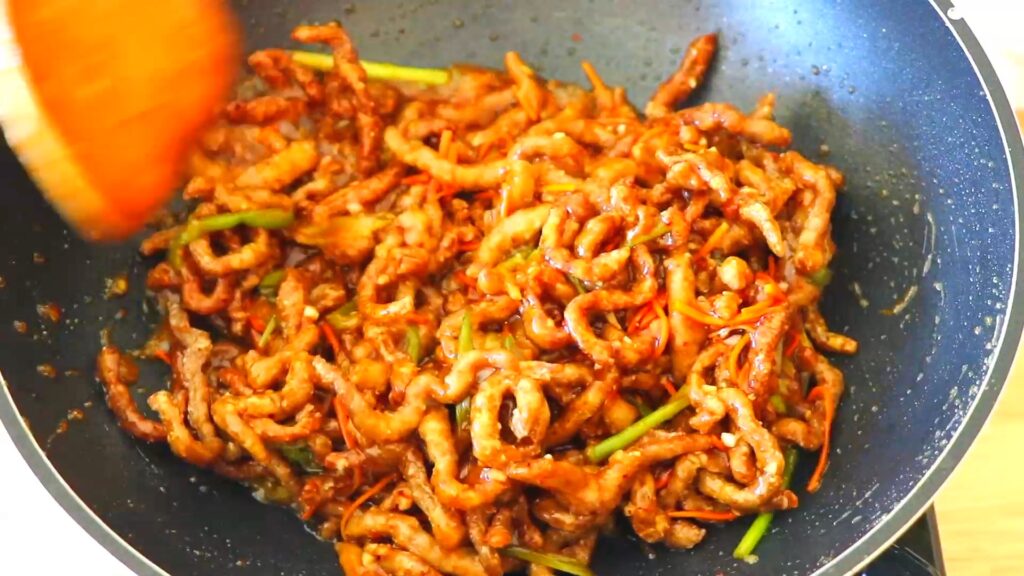
In a clean wok over high heat, add the cooking oil.
Add the carrots, scallions (white parts), ginger, and garlic. Stir-fry for about 30 seconds, just until fragrant.
Pour in the sauce and bring it to a boil. Stir the cornstarch slurry, then add it to the wok and cook until the sauce thickens slightly and turns glossy.
Return the crispy beef to the wok and toss quickly to coat.
Finish with the green parts of the scallions and give it one last toss.
Serve right away.
Tip: Once the sauce goes in, work quickly—this keeps the beef crispy and the sauce light.
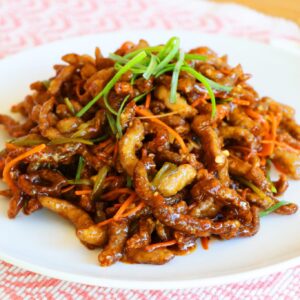
Crispy Ginger Beef Recipe
Ginger Beef is crispy, sweet, and slightly spicy, with golden beef strips tossed in a glossy sauce full of ginger flavor.
Ingredients
For the beef
- 1 cup cornstarch
- 1 pound flank steak, thinly sliced against the grain
- 2 cups cooking oil, for frying (high-smoking-point)
For the sauce
- 4 tablespoons soy sauce
- 6 tablespoons rice vinegar
- 6 tablespoons rice wine
- 5 tablespoons sugar
- 1 tablespoon sesame oil
- 1 tablespoon red pepper flakes
For the stir-fry
- 2 tablespoons cooking oil, high-smoking-point
- 2 tablespoons carrots cut into matchsticks
- 1 tablespoon ginger, minced
- 3 cloves garlic, minced
- 2 stalks scallions, julienned, white and green parts separated
For the cornstarch slurry
- 1 tablespoon cornstarch
- 2 tablespoons water
Instructions
- To coat the beef, in a bowl, add the beef and toss with the cornstarch until evenly coated.
- To fry the beef, in a wok or deep pan over high heat, add the cooking oil and heat to 350°F (177°C). Add the beef in batches, separating the pieces gently, and fry for about 3 minutes until golden and crispy, then remove and drain.
- To make the sauce, in a bowl, mix the soy sauce, rice vinegar, rice wine, sugar, sesame oil, and red pepper flakes until combined.
- To stir-fry and combine, in a clean wok over high heat, add the cooking oil, then add the carrots, scallions (white parts), ginger, and garlic, and stir-fry for about 30 seconds until fragrant. Pour in the sauce and bring to a boil, then stir the cornstarch with the water to form a slurry and add it to the wok, stirring until the sauce thickens slightly. Return the crispy beef to the wok and toss quickly to coat, then add the scallions (green parts) and give it one final toss before serving immediately.
Video
Notes
- Slice against the grain: This keeps the beef tender even after frying.
- Keep the oil hot: Around 350°F is ideal—hot enough to crisp quickly without making the beef greasy.
- Fry in batches: Give the beef space so it fries evenly and stays crispy.
- Have the sauce ready: Once you start stir-frying, everything moves quickly, so it helps to have it mixed ahead.
- Balance the sauce to your taste: You can adjust the sugar or vinegar slightly depending on how sweet or tangy you like it.
- Work quickly at the end: Once the sauce goes in, toss the beef quickly so it stays crisp and doesn’t soften too much.
- Add scallions last: This keeps them fresh and gives the dish a nice finish.
- Serve right away: Ginger Beef is best when it’s hot and crispy right out of the wok.
- Protein swap: You can use chicken or tofu—just adjust the cooking time and keep the coating light.
Awesome recipe! 🙂 Made it with some extra carrots, and threw in some bell peppers for extra veggies. We used a little less vinegar (4 tbsp). Tastes delicious! Not ordering this again in a restaurant. Thanks for the recipe!!
Hi Sam,
I’m so happy to hear your positive feedback on this recipe! Happy cooking and eating! 🙂
Hi there, I’m a Dutch guy who grew up in Antwerp. Every year since I was one-year-old, we would visit my family in Crossfield, AB, Canada. So as you can imagine, I remember going for lunch to our local Chinese restaurant and having that.. oh-so, delicious Ginger beef with some noodles. Until this day (I’m now 30 years old) I have never seen it come across a menu, anywhere. I was browsing YouTube for some Asian Street Food vids (which I just find very delicious to see) and thought I’d try searching for “Ginger Beef” and your video popped up. So from the bottom of my heart, thank you for sharing this detailed recipe. I will be trying to make this myself and who knows.. introduce my Dutch and Belgian friends to this delicious meal. I’m not sure if you have a noodle recommendation to go with the beef? Thanks and keep doing what you’re doing. Have a good one, Laurent.
Hi Laurent,
I always believe that food has some kind of magical powder, and it brings back precious memories. I sincerely thank you for writing this heartwarming comment. The ginger beef should go very well with my Dan Dan Noodles https://meishi.yinliudashi.workers.dev/sichuan-dan-dan-noodles-recipe/. I hope you’ll enjoy your meal.
Best wishes,
CiCi
I am a ginger beef snob!!! There is only one kind in my mind and when a restaurant doesn’t do crispy beef or make it saucy I am always disappointed. Now I can make this whenever I’m craving PERFECT ginger beef!!! Crispy, spicy, sweet delicious. Thank you for this recipe!!!
Hi Hailey,
I love crispy ginger beef as well! I hope you’ll enjoy this homemade recipe and best wishes! 🙂
I first enjoyed this dish at the Imperial Palace in Calgary, and always loved it!
Hi John, I hope you’ll enjoy this homemade recipe too! Happy cooking! 😀
Could I double fry the beef for extra crispiness? Or isn’t it necessary? Thanks.
Hi Chris, thank you for the question!
In interviews with Canadian media, such as CBC and the Calgary Herald, Chef George Wong and the Silver Inn team explain that the beef is thinly sliced, lightly coated, and then deep-fried once until crisp. The key to achieving the perfect texture is heating the oil to the right temperature and frying the beef in small batches for even crispiness. Additionally, most Canadian-Chinese restaurants serving “Calgary-style” ginger beef also use a single fry, aiming for a crunchy yet tender texture rather than an extra crust that double frying can produce.
However, if you prefer the extra crispy texture, you can definitely double-fry the beef. Happy cooking!